

Included with every brand
Mystery boxes, with a real inventory behind them.

Not a promo tile. A catalog your team controls, a provably fair open, and a desk that ships physical prizes. Players pay from the wallet they already have. Cash drops land back in that wallet. Physical drops go to an address.
Sample catalog
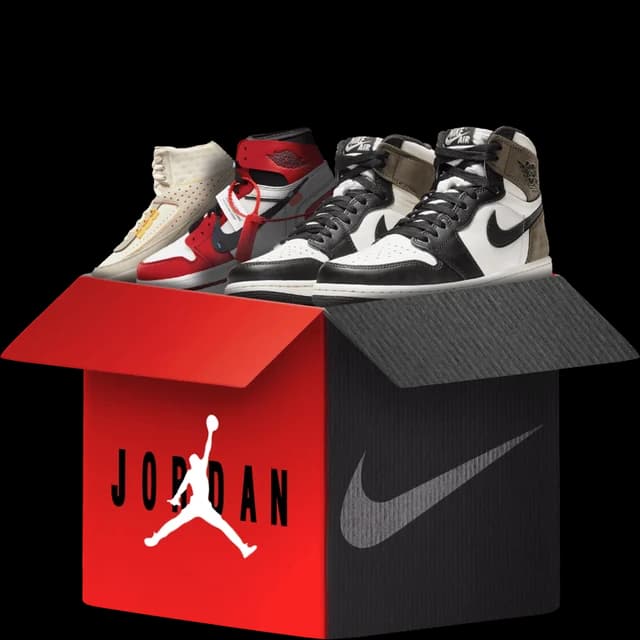
Three sample mystery boxes.
Explore three boxes from the sample catalog. The interactive opening demo is temporarily unavailable.

What the player does
Pick a box. Open it. Keep the cash, or take the prize.
Choose a box. The lobby lists every active box with its price, a risk tier, and the items inside. Players search, sort, and filter by risk.
Pay from any balance. The price is set in USD and charged in the wallet they pick, crypto or fiat, at a locked rate.
Watch the roll. The outcome is provably fair: server seed hash, client seed, nonce and the roll are stored on the opening.
Land in inventory. The item is theirs. It is not auto-credited and it is not lost in a spin animation.
Decide. Sell it instantly for the published value, or request shipment when the item is a physical prize.
Odds are on the box before they open it. Each item shows its rarity and its chance. Weights are set by you; the site normalizes them and shows the real percentage.
What can be inside
You stock each box. Three kinds of item:
Cash. Sells straight back into the player’s wallet, in the currency they choose.
Bonus. Bonus credit, under the same rollover rules as the rest of the platform.
Physical. Anything you are willing to buy and ship. The player requests delivery. Your team fulfills it.
Rarity is part of the catalog: common, uncommon, rare, epic, legendary. Each item has a USD value, a weight, an image, and a flag for whether it can be shipped.
A box has a price, a risk tier and a sort order. Turn a box or a single item off without taking the product down.
The operator desk
You price the thrill. You also fulfill it.
Create and edit boxes from the backoffice. Set the price, the description, the risk tier and the order they appear.
Add items, set weights, and read the expected value before the box goes live. The math is the sum of value times weight, divided by the total weight.
See every opening: who paid, what they hit, the roll, and the seeds.
Run shipments as a queue, not a spreadsheet.
Shipment states:
Requested. The player submitted a name, document, phone and address.
Processing. Your team is sourcing the item.
Shipped. A tracking code goes on the order.
Delivered. Closed.
Cancel a request that has not shipped and the item returns to the player’s inventory, still owned, ready to sell or to ship again.
Why it sits next to the casino
CryptoLocal rails
One wallet
CasinoSportsbookMystery boxes
Mystery boxes use the same wallet, the same ledger and the same provably fair seeds as the in-house games. A drop is a ledger entry, not a side balance. Selling an item credits the wallet once, with an idempotency key, so a retry cannot pay twice.
It is also a retention surface with a cost you can see. Expected value is visible before you publish a box. House edge is a decision you make in the weights, not a surprise after a week of opens.
Put your prizes in a box and ship them from the same backoffice.
We’ll open the lobby, an inventory, and a shipment queue on the demo.